

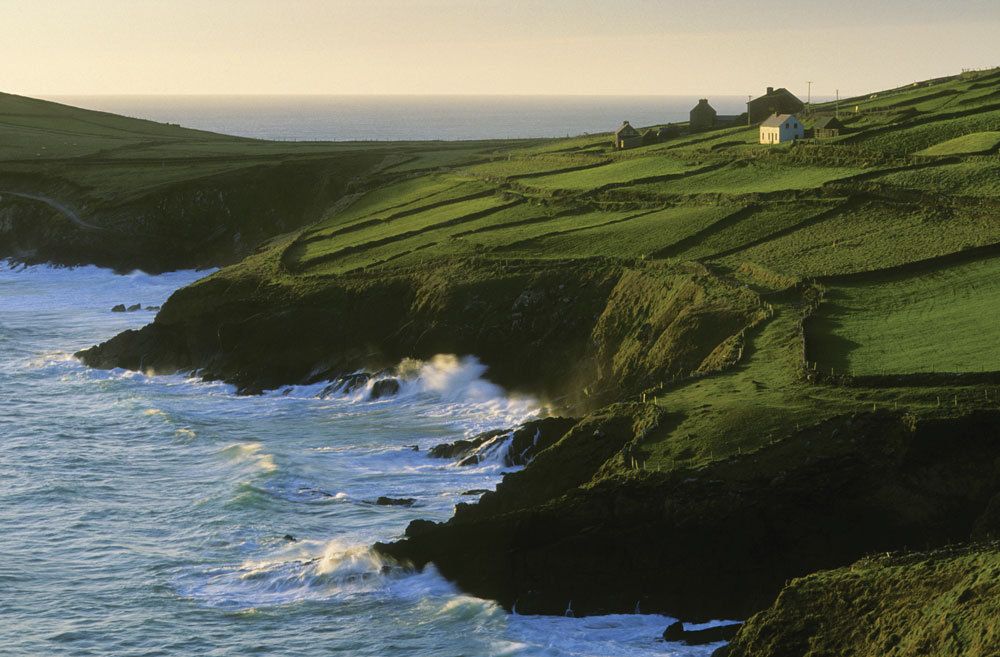
Scattered along Ireland’s rugged coastline lie dozens of islands where time seems to slow down and nature takes center stage. From windswept cliffs and green pastures to ancient stone ruins and vibrant local communities, the islands of Ireland offer a travel experience rooted in authenticity, tradition, and raw natural beauty. For travelers seeking solitude, culture, and dramatic landscapes, island tourism in Ireland reveals a lesser-known but deeply rewarding side of the country.
A Coastline Shaped by the Sea
Ireland’s islands are found mainly off the west coast, facing the powerful Atlantic Ocean. These islands vary in size and character, from larger inhabited communities to tiny, remote outposts. The most famous island groups include the Aran Islands, Achill Island, the Blasket Islands, the Skelligs, and numerous smaller islands scattered along the coasts of Donegal, Mayo, Galway, Kerry, and Cork.
Each island has its own identity, shaped by isolation, weather, and centuries of close-knit community life. Traveling between them often involves ferry journeys or small aircraft flights, adding a sense of adventure even before arrival.
The Aran Islands: Guardians of Tradition
Perhaps the best-known of Ireland’s islands, the Aran Islands (Inis Mór, Inis Meáin, and Inis Oírr) lie at the mouth of Galway Bay. These islands are strongholds of Gaelic language and culture, where Irish is still spoken daily. Stone walls divide the landscape into thousands of small fields, creating a striking patchwork that reflects generations of resilience.
The most iconic site is Dún Aonghasa, a prehistoric stone fort perched dramatically on a sheer cliff above the Atlantic. Walking its edge offers breathtaking views and a deep sense of history. Cycling along narrow roads, visiting traditional pubs, and listening to local music provide a genuine connection to island life.
Achill Island: Nature on a Grand Scale
Connected to the mainland by a bridge, Achill Island is the largest of Ireland’s offshore islands and one of the most accessible. It is renowned for its spectacular scenery, including towering sea cliffs, rolling mountains, and expansive beaches such as Keem Bay, often ranked among Europe’s most beautiful.
Achill offers excellent opportunities for hiking, surfing, kayaking, and wildlife watching. The island’s dramatic landscape, combined with its cultural heritage and artistic community, has long attracted writers, painters, and photographers seeking inspiration from the Atlantic’s raw power.
The Blasket Islands: Echoes of a Lost World
Off the Dingle Peninsula lie the Blasket Islands, now uninhabited but rich in cultural significance. Once home to a small Irish-speaking community, the islands were abandoned in the mid-20th century due to harsh living conditions. Today, visitors can take boat trips to explore abandoned stone cottages, rolling hills, and pristine beaches.
The Blaskets are famous for their literary legacy, with writers like Tomás Ó Criomhthain documenting island life in powerful memoirs. Visiting the islands feels like stepping into a forgotten chapter of Irish history, where silence and nature dominate.
Skellig Michael: A Sacred Outpost
One of Ireland’s most extraordinary island destinations is Skellig Michael, a UNESCO World Heritage Site located far off the coast of County Kerry. This steep, rocky island rises dramatically from the sea and is home to a remarkably preserved early Christian monastery, built by monks who sought isolation and spiritual purity.
Climbing the ancient stone steps to the monastery is a physically demanding but unforgettable experience. In recent years, Skellig Michael has gained global attention as a filming location for Star Wars, yet strict visitor limits help preserve its fragile ecosystem and sacred atmosphere.
Wildlife and Natural Wonders
Ireland’s islands are havens for wildlife. Seabirds such as puffins, gannets, and razorbills nest on cliffs and rocky shores, making the islands ideal for birdwatching. Dolphins, seals, and even whales can be spotted in surrounding waters, especially along the west coast.
The islands’ landscapes remain largely untouched, offering dark skies, clean air, and a powerful sense of connection to the natural world. Walking trails, coastal paths, and quiet beaches invite slow travel and reflection.
Island Life and Hospitality
Life on Ireland’s islands revolves around community, tradition, and storytelling. Visitors are welcomed warmly, often finding themselves engaged in conversation over tea or a pint. Local food emphasizes fresh seafood, homemade bread, and traditional recipes passed down through generations.
Festivals, music sessions, and seasonal gatherings provide insight into island culture, where oral history and shared experience remain central to daily life.
Practical Travel Tips
Best time to visit: May to September, when seas are calmer and daylight is long
Transport: Ferries operate seasonally; weather can affect schedules
Accommodation: Small guesthouses, B&Bs, and self-catering cottages
Language: English widely spoken; Irish common on some islands
At the Edge of Europe
Touring the islands of Ireland is about more than sightseeing — it is about immersion. These islands offer a rare opportunity to step away from modern distractions and experience landscapes and cultures shaped by centuries of survival at the edge of the Atlantic.
In the rhythm of crashing waves, ancient stone walls, and shared stories, travelers discover a deeper understanding of Ireland’s soul. The islands may lie at the country’s fringes, but they stand at the very heart of its spirit.
Lorem ipsum dolor sit amet, consectetur adipiscing elit. Ut elit tellus, luctus nec ullamcorper mattis, pulvinar dapibus leo.