

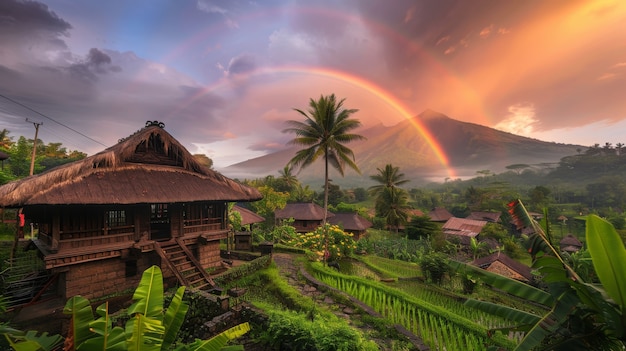
Indonesia is the world’s largest archipelagic country, stretching across the equator and consisting of more than 17,000 islands. This vast geographical scale has shaped a destination of exceptional diversity, where landscapes, cultures, and traditions vary significantly from one region to another. Tourism in Indonesia is defined by this variety, offering travelers historical monuments, natural wonders, and living cultural heritage within a single country.
Geography and Key Destinations
Indonesia’s islands form several distinct regions, each with its own tourism appeal. Java, the political and economic center, is home to major cities and some of Southeast Asia’s most important historical sites. The Buddhist temple of Borobudur and the Hindu complex of Prambanan, both recognized as UNESCO World Heritage Sites, illustrate Indonesia’s long-standing spiritual and architectural traditions.
Bali remains the country’s most internationally recognized destination. Its popularity is rooted in a combination of tropical scenery, a strong Hindu cultural identity, and a well-developed tourism infrastructure. Beyond Bali, islands such as Lombok, Flores, Sumatra, and Sulawesi attract travelers seeking less crowded environments and more direct engagement with nature and local communities.
Natural Landscapes and Adventure Tourism
Indonesia’s position along the Pacific Ring of Fire has resulted in dramatic volcanic landscapes. Active and dormant volcanoes shape the terrain and provide opportunities for trekking and nature-based tourism. Destinations such as Mount Bromo, Mount Rinjani, and Mount Merapi are popular among visitors interested in hiking and geological features.
The country’s tropical rainforests are among the most biologically diverse in the world. National parks in Sumatra and Kalimantan protect ecosystems that are home to endangered species, including orangutans and Sumatran tigers. Eco-tourism initiatives in these areas aim to balance visitor access with conservation efforts.
Marine and Coastal Tourism
Indonesia is located within the Coral Triangle, making it one of the world’s most important regions for marine biodiversity. Coastal and island tourism plays a central role in the national tourism industry. Areas such as Raja Ampat, Komodo National Park, and Wakatobi are internationally recognized for scuba diving and snorkeling due to their coral reefs and rich marine life.
Beach tourism ranges from highly developed resort areas to remote islands with minimal infrastructure. This range allows Indonesia to cater to different types of travelers, from luxury tourism to independent and adventure-focused travel.
Cultural Heritage and Traditions
Cultural tourism is a key component of Indonesia’s appeal. The country is home to hundreds of ethnic groups, each maintaining distinct languages, customs, and artistic traditions. Traditional music, dance, textile production, and craftsmanship remain active parts of daily life in many regions.
Religious and cultural festivals play an important role in attracting visitors. Events such as Nyepi, the Balinese Day of Silence, and Waisak, celebrating the birth of Buddha, provide insight into Indonesia’s spiritual traditions. Visitors are generally welcome to observe these events, provided cultural norms are respected.
Urban Tourism
Indonesia’s major cities contribute to its tourism landscape. Jakarta, the capital, reflects the country’s modern development and economic growth, offering museums, historical districts, and contemporary cultural venues. Yogyakarta is widely regarded as a cultural center, known for its royal heritage, universities, and traditional arts. Other cities, including Bandung and Surabaya, combine colonial architecture with modern urban life.
Indonesian Cuisine
Cuisine is an important aspect of tourism in Indonesia. Regional differences influence flavors and cooking techniques, resulting in a wide range of dishes. Common examples include rice-based meals, grilled meats, vegetable dishes, and spice-rich stews. Local eateries and street food markets offer visitors accessible ways to experience regional culinary traditions.
Practical Information
Best time to visit: May to October
Official language: Indonesian (Bahasa Indonesia)
Currency: Indonesian Rupiah (IDR)
Transport: Domestic flights, ferries, trains, and buses
Tourism in Indonesia reflects the complexity and scale of the country itself. Its appeal lies not in a single attraction but in the combination of landscapes, cultures, and historical depth spread across thousands of islands. For travelers seeking variety, cultural engagement, and natural environments, Indonesia remains one of the most multifaceted destinations in the world.