

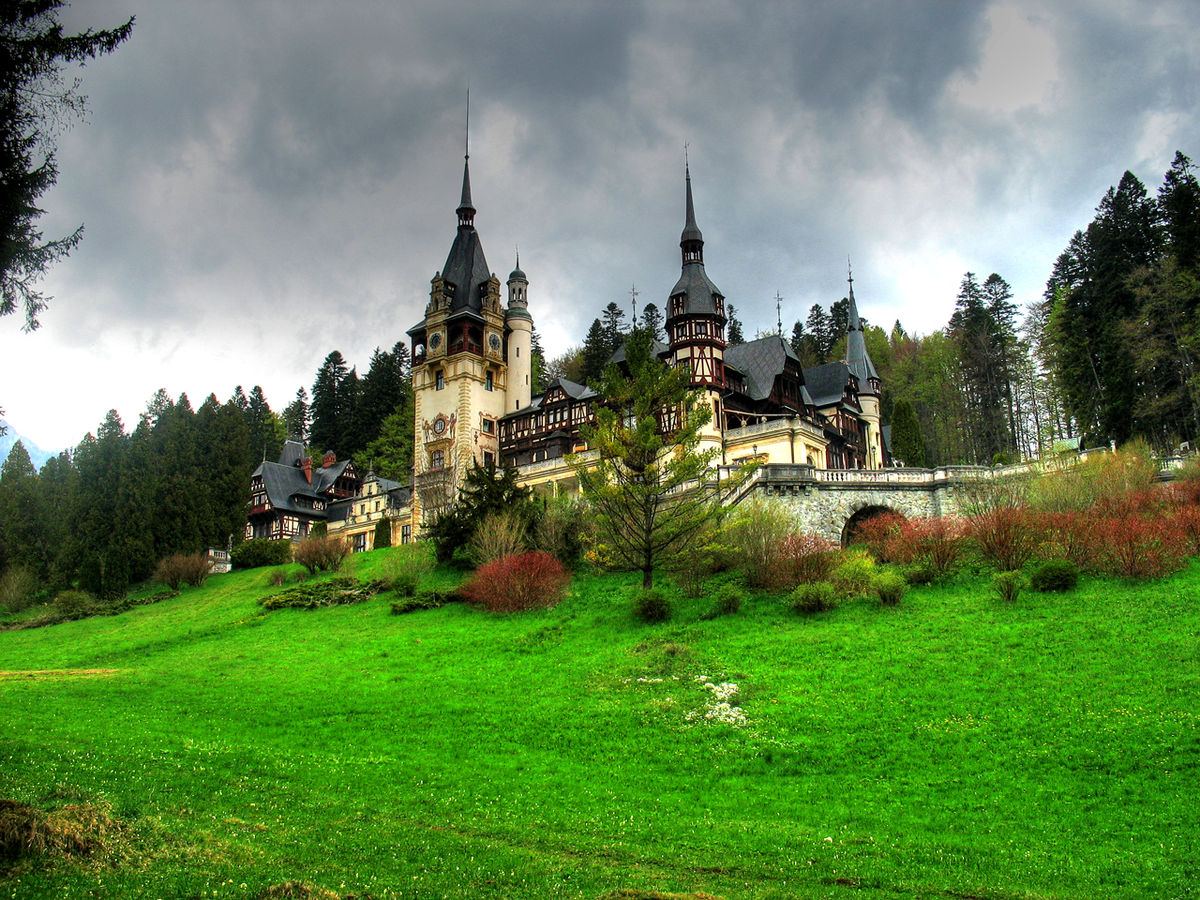
Romania is a Southeastern European country known for its varied landscapes, historical regions, and well-preserved traditions. Located at the crossroads of Central, Eastern, and Balkan Europe, Romania offers a combination of mountain scenery, medieval towns, rural heritage, and Black Sea coastline. Tourism in Romania reflects this diversity, attracting visitors interested in nature, architecture, folklore, and regional culture.
Natural Landscapes and Outdoor Tourism
One of Romania’s defining geographical features is the Carpathian mountain range, which forms a wide arc across the central part of the country. The Carpathian Mountains support year-round tourism, including hiking, wildlife observation, and winter sports. Forested slopes, alpine meadows, and traditional mountain villages contribute to the region’s appeal.
Romania is also home to the Danube Delta, one of Europe’s largest and best-preserved river deltas. Recognized as a UNESCO World Heritage Site, the delta is known for its biodiversity, particularly bird species and aquatic ecosystems. Eco-tourism in this area focuses on guided boat tours, fishing traditions, and sustainable travel practices.
Along the eastern border, the Black Sea coast provides beach tourism opportunities. Resorts such as Mamaia offer seasonal seaside travel, especially during the summer months.
Historical Regions and Architecture
Romania’s historical development has produced distinct regional identities. Transylvania is perhaps the most internationally recognized region, known for its medieval towns, fortified churches, and castles. Cities such as Brașov, Sibiu, and Sighișoara preserve architectural elements from Saxon and Hungarian influences, reflecting centuries of multicultural interaction.
One of Romania’s most visited landmarks is Bran Castle, often associated with the Dracula legend. While the connection to the fictional character is literary rather than historical, the castle remains an important tourism site due to its location and preserved structure.
In the capital city, Bucharest, visitors encounter a different architectural narrative. The Palace of the Parliament is one of the largest administrative buildings in the world and reflects the country’s twentieth-century political history. Bucharest also features historic districts, museums, and a developing contemporary cultural scene.
Rural Tourism and Traditions
Rural tourism plays a significant role in Romania’s travel profile. Villages in regions such as Maramureș and Bucovina maintain traditional wooden architecture, handcrafted textiles, and seasonal agricultural practices. Painted monasteries in Bucovina, including Voroneț Monastery, illustrate distinctive religious art traditions.
Many rural guesthouses provide accommodation in restored homes, allowing visitors to experience local cuisine, folklore, and daily life. This form of tourism supports small communities and helps preserve regional identity.
Cultural Events and Cuisine
Romanian culture is influenced by Latin, Slavic, and Ottoman traditions. Festivals, folk music, and seasonal celebrations are integrated into community life and attract domestic and international visitors. Traditional cuisine features dishes based on meat, vegetables, and dairy products, often prepared according to regional recipes.
Urban centers such as Cluj-Napoca and Timișoara contribute to contemporary cultural tourism through film festivals, art exhibitions, and academic institutions.
Practical Information
Best time to visit: May to October for general travel; December to February for winter sports
Climate: Continental, with warm summers and cold winters
Currency: Romanian Leu (RON)
Transportation: International airports, rail connections, and road networks
Tourism in Romania is shaped by geographical variety and layered history. From mountain landscapes and river wetlands to medieval towns and rural traditions, the country offers diverse travel experiences within a relatively compact territory. As interest in cultural authenticity and nature-based tourism grows, Romania continues to develop as a destination that combines heritage preservation with modern accessibility.