

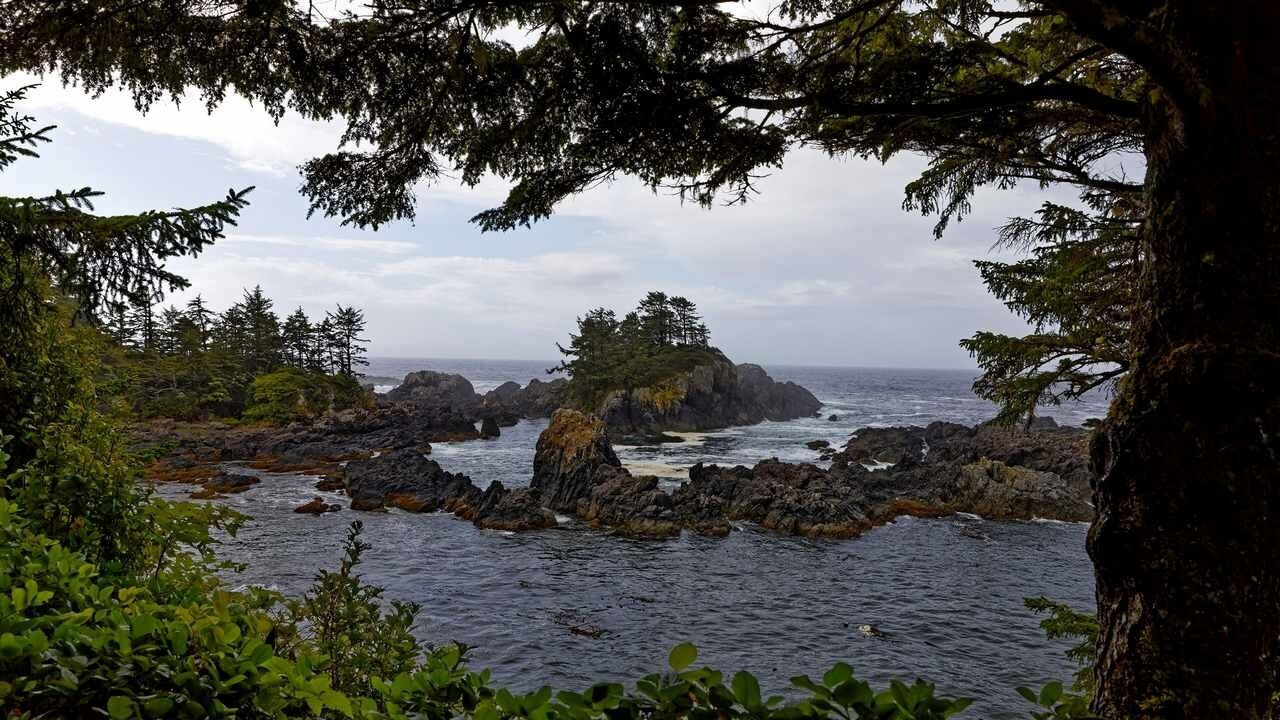
The Pacific coast of Canada, primarily located in the province of British Columbia, is one of the country’s most significant tourism regions. Stretching along the Pacific Ocean, this coastline is known for its combination of rugged natural environments, temperate rainforests, and modern urban centers. Tourism in this region is shaped by both outdoor recreation and cultural experiences, attracting visitors throughout the year.
Coastal Geography and Natural Features
The Pacific coastline of Canada is characterized by fjords, islands, dense forests, and mountain ranges that extend directly to the ocean. This landscape creates a diverse environment where marine and terrestrial ecosystems coexist. One of the most well-known destinations is Vancouver, a major urban center situated between the Coast Mountains and the Pacific Ocean. The city serves as a primary gateway for travelers exploring the region.
Nearby natural areas such as Stanley Park provide accessible green space within the city, while coastal parks and wilderness areas offer more remote experiences. The combination of urban infrastructure and surrounding nature is a defining feature of tourism on Canada’s Pacific coast.
Vancouver Island and Coastal Destinations
Off the mainland lies Vancouver Island, one of the region’s most important tourism areas. The island offers a range of landscapes, including sandy beaches, rocky shorelines, and forested interiors. The city of Victoria, located on the southern tip, is known for its historic architecture and cultural institutions.
On the western side of Vancouver Island, Tofino has become a major destination for nature-based tourism. The area is known for surfing, whale watching, and access to the Pacific Rim National Park Reserve. Its coastal environment supports both recreational activities and ecological tourism.
Marine Tourism and Wildlife
Marine life plays a central role in tourism along the Pacific coast. Whale watching tours operate in several locations, offering opportunities to observe orcas, humpback whales, and gray whales. Coastal waters are also home to seals, sea lions, and a wide range of bird species.
Kayaking and boat excursions allow visitors to explore inlets, islands, and coastal channels. These activities often focus on low-impact tourism and environmental awareness, reflecting Canada’s approach to conservation and sustainable travel.
Outdoor Activities and Adventure Tourism
The region supports a wide range of outdoor activities throughout the year. Hiking trails extend through forests and along coastal cliffs, while mountain areas provide opportunities for climbing and winter sports. The Pacific coast is also known for fishing, camping, and scenic road travel.
The climate in coastal British Columbia is relatively mild compared to other parts of Canada, making it possible to engage in outdoor tourism in multiple seasons. Rainforests and coastal ecosystems remain accessible year-round, although weather conditions can vary.
Indigenous Culture and Heritage
Indigenous communities have lived along the Pacific coast for thousands of years, and their cultural heritage is an important aspect of tourism in the region. Visitors can learn about traditional practices, art, and history through cultural centers, guided tours, and community-based experiences.
Totem poles, wood carvings, and storytelling traditions reflect the deep connection between Indigenous peoples and the coastal environment. Responsible tourism initiatives aim to support these communities while preserving cultural integrity.
Practical Information
- Best time to visit: May to September for general travel
- Climate: Temperate oceanic, with mild winters and cool summers
- Transportation: International airports, ferries, and road networks
- Accommodation: Hotels, lodges, campgrounds, and eco-resorts
Tourism on the Pacific coast of Canada is defined by the interaction between natural landscapes and human activity. The combination of coastal wilderness, marine ecosystems, and accessible cities creates a diverse travel environment. As interest in sustainable and nature-based tourism continues to grow, this region remains an important destination for visitors seeking both outdoor experiences and cultural engagement.