

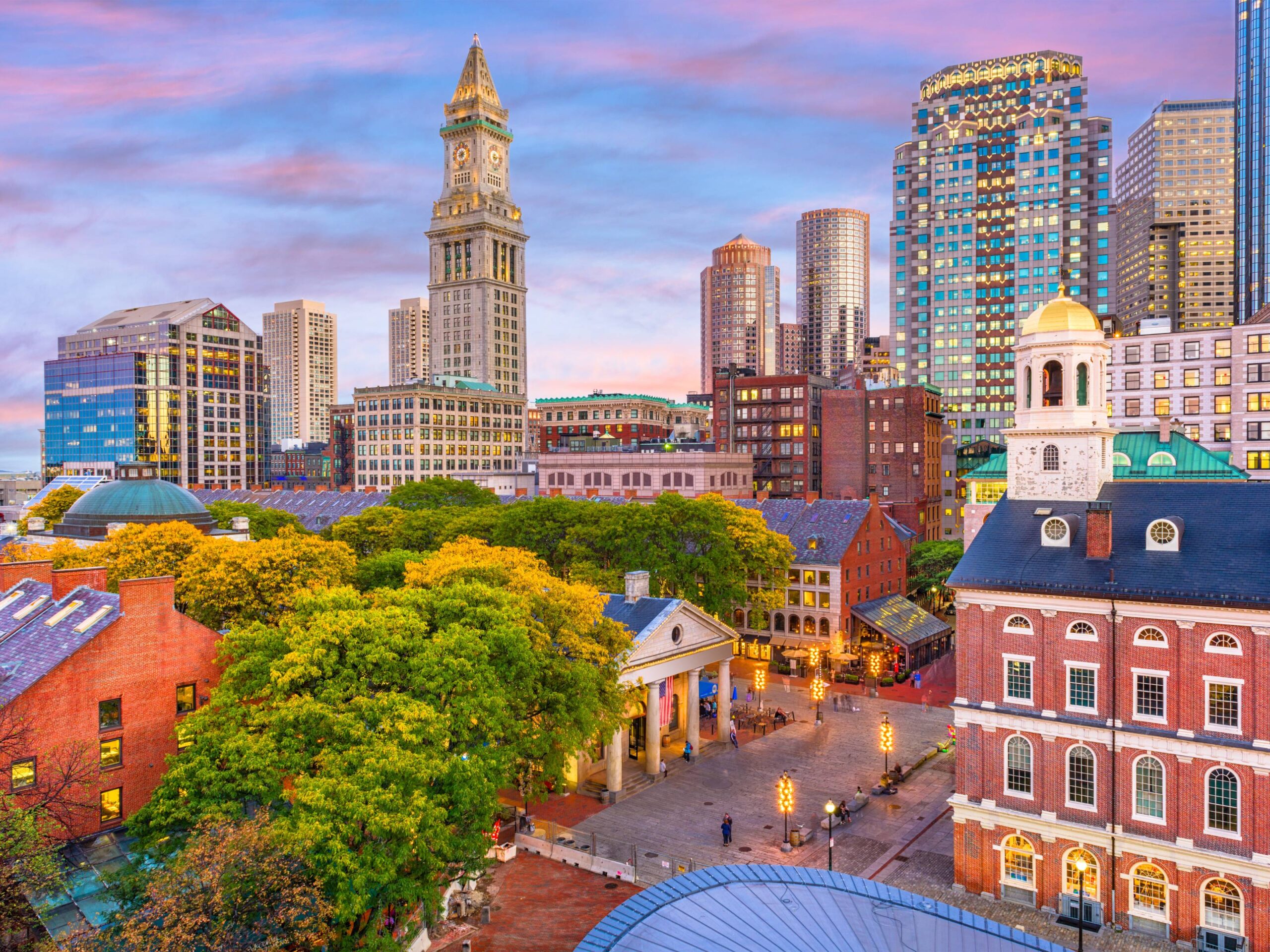
Boston, located in the northeastern United States, is one of the country’s oldest cities and a major center for historical and cultural tourism. As the capital of the state of Massachusetts, Boston plays a significant role in American history, particularly in events related to the American Revolution. Today, tourism in Boston combines heritage sites, academic institutions, waterfront development, and modern urban life.
Historical Significance and Landmarks
Boston is closely associated with early American history. One of the most structured ways to explore the city’s past is the Freedom Trail, a marked route that connects key historical sites. These include locations such as Boston Common, the oldest public park in the United States, and Paul Revere House, which reflects colonial-era life.
Another significant site is Faneuil Hall, which has served as both a marketplace and a meeting hall since the 18th century. These locations illustrate Boston’s role in the development of political ideas and civic institutions in the United States.
Academic and Cultural Institutions
Boston is widely recognized as a center of higher education and research. The metropolitan area includes major institutions such as Harvard University and the Massachusetts Institute of Technology, located across the Charles River in Cambridge. These institutions contribute to academic tourism, conferences, and international exchange.
The city also hosts a range of museums and cultural centers. The Museum of Fine Arts, Boston and the Boston Public Library are notable for their collections and architecture. Cultural tourism is supported by theaters, music venues, and seasonal events throughout the year.
Urban Layout and Neighborhoods
Boston’s urban structure differs from many American cities due to its historical development. Streets are often irregular and follow older patterns rather than a grid system. Neighborhoods such as Beacon Hill are known for preserved architecture, narrow streets, and historic buildings. The North End, one of the city’s oldest districts, reflects a strong Italian cultural influence and is a center for dining and local businesses.
Waterfront areas have been redeveloped to support tourism and recreation. The Boston Harbor area includes walking paths, ferry connections, and access to nearby islands.
Outdoor and Recreational Tourism
Green spaces are an important part of Boston’s tourism environment. In addition to Boston Common, the Public Garden offers landscaped areas and walking paths. The Charles River Esplanade provides opportunities for cycling, jogging, and boating, connecting urban tourism with outdoor activity.
Seasonal variation influences visitor experiences. Spring and autumn are particularly popular due to moderate weather, while winter tourism includes holiday events and indoor attractions.
Practical Information
- Best time to visit: April to June and September to October
- Climate: Humid continental, with cold winters and warm summers
- Transportation: Public transit system (MBTA), walking-friendly central areas
- Accommodation: Hotels, short-term rentals, and guesthouses
Tourism in Boston is defined by its historical depth, academic influence, and compact urban environment. The city offers a combination of educational, cultural, and recreational experiences within a relatively accessible area. As one of the key historical centers of the United States, Boston continues to attract visitors interested in both the country’s past and its contemporary urban life.