

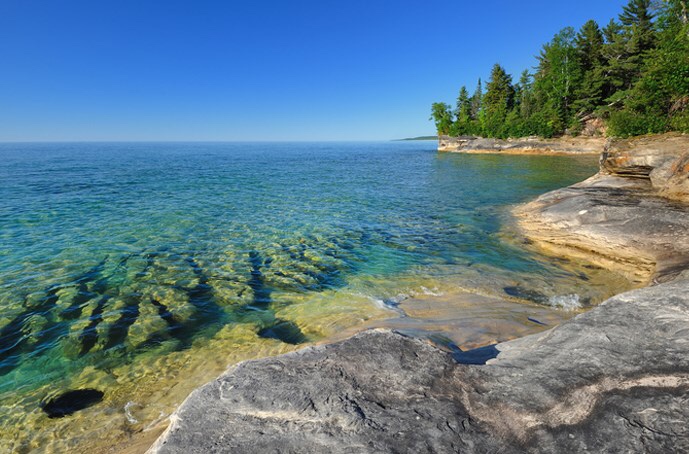
The Great Lakes region of the United States represents one of the largest freshwater systems in the world and a significant tourism destination in North America. Comprising Lake Superior, Lake Michigan, Lake Huron, Lake Erie, and Lake Ontario, the region spans eight U.S. states and borders Canada. Tourism in the Great Lakes area is shaped by a combination of natural landscapes, urban centers, historical heritage, and outdoor recreation opportunities.
Natural Landscapes and Outdoor Activities
The Great Lakes are known for their expansive shorelines, which together extend for thousands of miles. These coastlines feature sandy beaches, rocky cliffs, dunes, forests, and wetlands. Lake Michigan, the only Great Lake located entirely within the United States, is especially popular for beach tourism, with destinations such as Sleeping Bear Dunes National Lakeshore in Michigan offering dramatic sand formations and scenic viewpoints.
Lake Superior, the largest and deepest of the lakes, is characterized by a more rugged and remote environment. Its shoreline includes cliffs, waterfalls, and dense forests, attracting visitors interested in hiking, kayaking, and wilderness exploration. National and state parks around the lake preserve its ecosystems and provide access to trails and camping facilities.
Recreational activities across the region include boating, fishing, sailing, paddleboarding, and swimming during the warmer months. In winter, many areas support snow-based tourism, such as cross-country skiing, snowmobiling, and ice fishing, extending the tourism season year-round.
National Parks and Protected Areas
The Great Lakes region contains several protected natural areas that are central to tourism. In addition to Sleeping Bear Dunes, sites such as Apostle Islands National Lakeshore in Wisconsin are known for their sea caves, historic lighthouses, and island landscapes. These protected areas balance conservation with public access, making them important destinations for eco-tourism and educational travel.
Wetlands and coastal habitats around the lakes also support birdwatching and wildlife observation. Migratory bird routes pass through the region, making it particularly attractive for nature enthusiasts.
Urban Tourism and Cultural Centers
Major cities along the Great Lakes play a key role in regional tourism. Chicago, located on the shores of Lake Michigan, is one of the most visited urban destinations in the United States. The city offers cultural institutions, architectural landmarks, waterfront parks, and a vibrant arts scene.
Other important cities include Detroit, Cleveland, Milwaukee, Buffalo, and Toronto (in Canada). These urban centers combine industrial heritage with revitalized waterfronts, museums, music venues, and sporting events. Harbor areas, riverwalks, and lakefront promenades have become focal points for tourism and recreation.
Historical and Maritime Heritage
The history of the Great Lakes is closely linked to trade, migration, and industrial development. Maritime tourism highlights this legacy through preserved lighthouses, historic ships, and maritime museums. Shipwreck diving has become a specialized form of tourism, particularly in the cold, clear waters of Lake Superior and Lake Huron, where well-preserved wrecks attract experienced divers.
Cultural heritage sites also reflect the traditions of Indigenous peoples, European settlers, and immigrant communities that shaped the region. Museums and cultural centers provide educational experiences related to these histories.
Seasonal Tourism and Events
Tourism in the Great Lakes region is strongly influenced by the seasons. Summer remains the peak travel period, offering favorable conditions for water-based activities and festivals. Autumn attracts visitors with fall foliage, especially in northern areas of Michigan and Wisconsin. Winter tourism supports local economies through snow sports and seasonal events, while spring marks the return of wildlife and outdoor recreation.
Practical Information
Best time to visit: June to September for outdoor activities
Climate: Continental, with cold winters and warm summers
Transportation: Highways, regional airports, ferries, and passenger rail
Accommodation: Hotels, vacation rentals, campgrounds, and lodges
Tourism in the Great Lakes region is defined by scale, diversity, and accessibility. The combination of freshwater coastlines, protected natural areas, and dynamic cities creates a balanced travel experience that appeals to a wide range of visitors. As interest in sustainable and nature-based tourism grows, the Great Lakes continue to develop as a destination that offers both environmental value and cultural significance within the United States.