

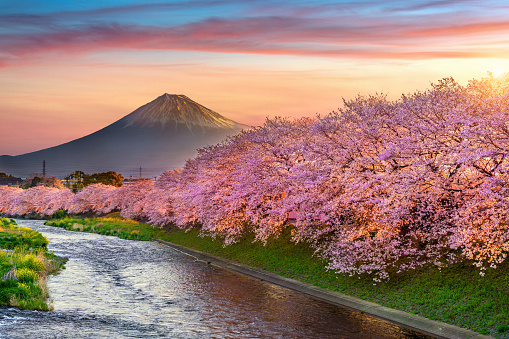
Cherry blossom season, known in Japan as Hanami, is one of the most important and widely recognized periods for tourism in the country. Each year, between late March and early April, millions of residents and international visitors gather to observe the blooming of sakura trees. This seasonal event combines natural observation with long-standing cultural practices, making it a central feature of travel in Japan.
Seasonal Patterns and Geography
The timing of cherry blossom season varies depending on geographic location. Blossoms typically appear first in southern regions such as Kyushu and gradually move northward toward Hokkaido. Major cities including Tokyo, Kyoto, and Osaka experience peak bloom within a relatively short period, often lasting one to two weeks.
Weather conditions, particularly temperature fluctuations, can influence the exact timing and duration of the bloom. Forecasts are published annually to help residents and tourists plan visits accordingly.
Key Viewing Locations
Urban parks and historic sites are among the most popular locations for cherry blossom viewing. In Tokyo, areas such as Ueno Park and Shinjuku Gyoen attract large numbers of visitors. These spaces combine landscaped gardens with extensive cherry tree plantings, offering structured environments for public gatherings.
In Kyoto, historical settings enhance the viewing experience. Sites such as Philosopher’s Path and temple gardens provide a combination of architecture and seasonal scenery. The integration of cultural landmarks with natural elements contributes to the distinct character of cherry blossom tourism.
Cultural Significance
Cherry blossoms hold symbolic meaning in Japanese culture, often associated with the transience of life and the passage of time. The practice of hanami involves gathering under blooming trees with family, friends, or colleagues to share food and observe the blossoms. This tradition dates back centuries and remains an important social activity.
Public events, evening illuminations, and seasonal food offerings are organized during this period. Temporary lighting installations in parks allow for nighttime viewing, extending the tourism experience beyond daylight hours.
Economic and Tourism Impact
Cherry blossom season represents one of the peak periods for domestic and international tourism in Japan. Hotels, transportation systems, and tourist sites experience high demand. Advance planning is generally necessary due to limited availability of accommodations during peak bloom periods.
The seasonal nature of the event encourages short-term, concentrated travel, often focused on specific regions known for their scenic landscapes and cultural heritage.
Practical Information
- Typical season: Late March to early April (varies by region)
- Duration: Approximately one to two weeks per location
- Transportation: Extensive rail networks, including high-speed trains
- Accommodation: High demand during peak bloom; early booking recommended
Tourism in Japan during cherry blossom season is defined by its combination of natural phenomena and cultural tradition. The short-lived bloom creates a time-sensitive travel experience that emphasizes observation, social interaction, and seasonal awareness. As a result, hanami continues to be one of the most significant and widely recognized aspects of tourism in Japan, attracting visitors from around the world.