

Peru is one of the most diverse travel destinations in South America, offering a combination of ancient civilizations, dramatic landscapes, and vibrant cultural traditions. Located on the western coast of the continent, the country stretches from the Pacific Ocean across the Andes Mountains to the Amazon rainforest. This geographical variety makes Peru attractive to travelers interested in archaeology, nature, and cultural exploration.
Ancient Civilizations and Archaeological Sites
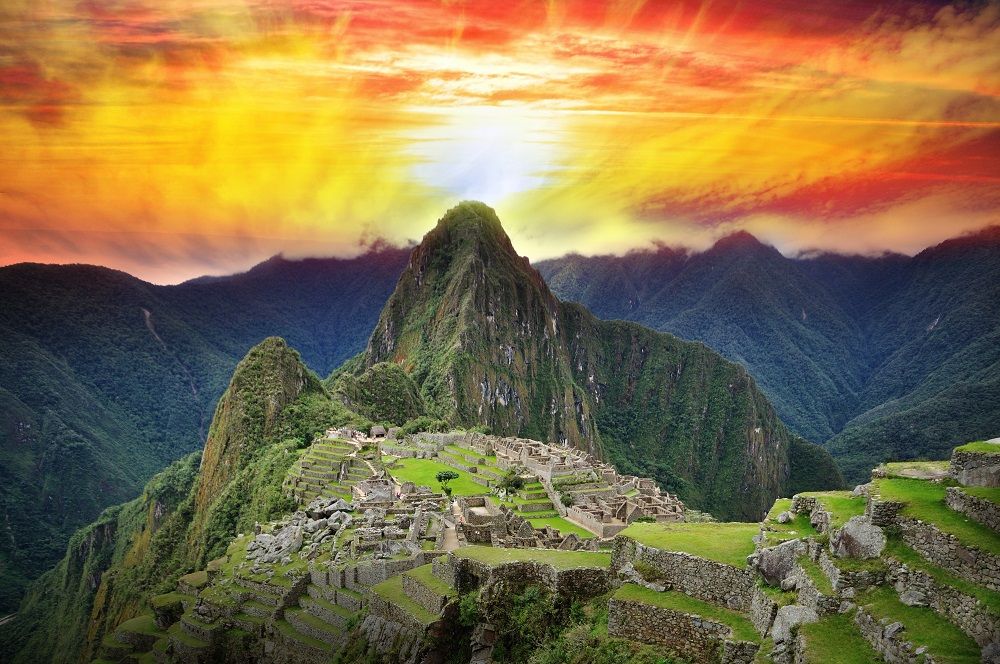
One of the main reasons visitors travel to Peru is its connection to the ancient Inca Empire, which flourished in the Andes before the arrival of the Spanish in the 16th century. The most famous archaeological site associated with this civilization is Machu Picchu, located high in the mountains above the Sacred Valley. Built in the 15th century, the stone city remained largely unknown to the outside world until the early 20th century and is now recognized as one of the most significant archaeological discoveries in the Americas.
Travelers can reach Machu Picchu by train or by trekking along sections of the Inca Trail, a historic network of mountain paths that once connected various parts of the Inca Empire. The journey passes through cloud forests, ancient ruins, and high mountain passes.
The Andes and Mountain Landscapes
The Andes Mountains dominate much of Peru’s geography and offer numerous opportunities for hiking, climbing, and nature tourism. Regions such as the Cordillera Blanca attract mountaineers and outdoor enthusiasts due to their snow-capped peaks and glacial lakes.
The historic city of Cusco, once the capital of the Inca Empire, serves as the main gateway to many Andean destinations. Cusco itself is an important tourism center with well-preserved colonial architecture built on Inca foundations. Narrow stone streets, historic plazas, and museums make it one of the most culturally significant cities in South America.
Amazon Rainforest Tourism
Eastern Peru is covered by the vast Amazon Rainforest, one of the most biodiverse ecosystems on the planet. The city of Puerto Maldonado serves as a starting point for eco-tourism expeditions into protected rainforest areas.
Visitors typically stay in jungle lodges and participate in guided excursions along rivers and forest trails. These trips focus on wildlife observation, including birds, monkeys, reptiles, and thousands of plant species. Sustainable tourism initiatives are increasingly important in this region, aiming to preserve biodiversity while supporting local communities.
Coastal Cities and Cultural Life
Peru’s long Pacific coastline offers a different travel experience. The capital city, Lima, combines colonial architecture, modern urban life, and one of the most influential culinary scenes in Latin America. Historic districts such as the center of Lima contain churches, plazas, and government buildings dating back to the Spanish colonial era.
The coastal region also includes archaeological sites from civilizations that existed before the Inca, such as the large adobe pyramid complex known as Chan Chan, which once served as the capital of the Chimú civilization.
Culture, Festivals, and Cuisine
Peruvian culture reflects a mixture of Indigenous traditions and Spanish colonial influences. Festivals, traditional music, and colorful clothing remain an important part of daily life in many regions. Celebrations such as Inti Raymi in Cusco recreate ancient ceremonial traditions and attract visitors from around the world.
Peru is also internationally known for its cuisine. Dishes often combine ingredients from the coast, mountains, and rainforest. Seafood, potatoes, corn, and chili peppers are widely used in traditional cooking.
Practical Information
The most popular time to visit Peru is during the dry season from May to October, particularly for trekking in the Andes. International flights usually arrive in Lima, which serves as the country’s main transportation hub. From there, travelers can connect to destinations throughout the country by plane, bus, or train.
Tourism in Peru is shaped by the country’s remarkable diversity. Ancient ruins, high mountain landscapes, dense rainforests, and vibrant cities create a wide range of travel experiences. Whether exploring archaeological heritage, trekking through the Andes, or observing wildlife in the Amazon, Peru offers visitors an opportunity to encounter both the natural and cultural richness of South America.