

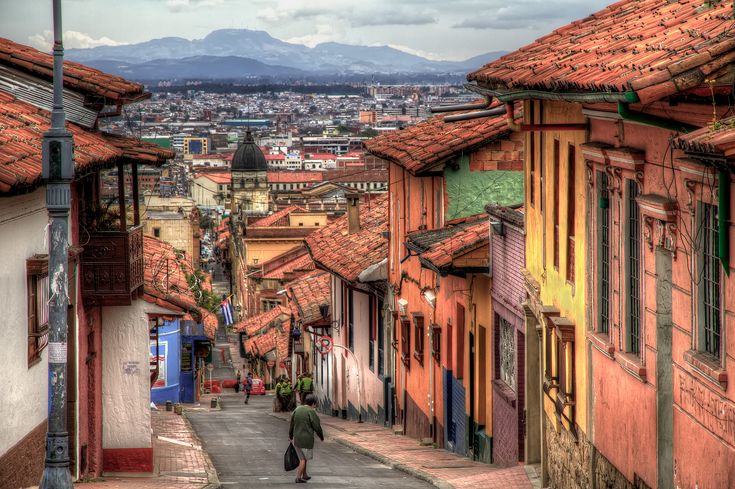
Colombia, located in the northwestern part of South America, is a country known for its geographical diversity, cultural heritage, and growing tourism sector. Bordered by both the Caribbean Sea and the Pacific Ocean, and crossed by the Andes Mountains, Colombia offers a wide range of travel experiences. Tourism in the country has expanded significantly in recent years, supported by improved infrastructure and increasing international interest.
Geographic Diversity and Natural Attractions
Colombia’s landscape is divided into several distinct regions. The Andes Mountains run through the country from south to north, creating valleys, plateaus, and high-altitude ecosystems. These areas support outdoor tourism, including hiking, climbing, and nature observation.
To the east lies part of the Amazon Rainforest, which offers opportunities for eco-tourism and wildlife exploration. Visitors to this region often travel to remote lodges and participate in guided excursions through forest and river environments.
Colombia’s Caribbean coastline includes sandy beaches and coastal cities. One of the most visited destinations is Cartagena, known for its preserved colonial architecture and historic walled city. The surrounding islands and coastal areas provide opportunities for beach tourism and marine activities.
Cities and Urban Tourism
Urban tourism plays a central role in Colombia’s travel industry. The capital, Bogotá, is located in the Andean highlands and serves as the country’s political and cultural center. It offers museums, cultural institutions, and historical districts such as La Candelaria.
Another major city, Medellín, has gained attention for its urban development and transformation. Once associated with industrial and social challenges, the city now attracts visitors with its public transportation system, cultural events, and surrounding natural scenery.
Coffee Culture and Rural Tourism
Colombia is internationally known for its coffee production. The Coffee Cultural Landscape of Colombia is recognized as a UNESCO World Heritage Site and represents traditional agricultural practices in the Andean region. Visitors can stay on coffee farms, observe production processes, and learn about the role of coffee in the national economy.
Rural tourism also includes visits to small towns, known locally as pueblos, where traditional architecture and community life are preserved. These areas provide a contrast to urban environments and allow for more direct interaction with local culture.
Biodiversity and National Parks
Colombia is one of the most biodiverse countries in the world. National parks and protected areas support a wide range of ecosystems, including tropical forests, mountains, and coastal zones. Parks such as Tayrona National Natural Park combine rainforest landscapes with Caribbean beaches, attracting visitors interested in both nature and recreation.
Birdwatching is a particularly important form of tourism, as Colombia hosts a large number of bird species. Conservation efforts aim to protect these ecosystems while promoting sustainable travel.
Culture, Festivals, and Cuisine
Colombian culture reflects a mixture of Indigenous, Spanish, and African influences. Music and dance are central elements of national identity, with styles such as cumbia and vallenato performed during festivals and public events.
Cuisine varies by region, with dishes based on local ingredients such as corn, rice, beans, meat, and tropical fruits. Street markets and local restaurants offer accessible ways to experience traditional food.
Practical Information
- Best time to visit: December to March and July to August
- Climate: Tropical, with variation by altitude
- Currency: Colombian Peso (COP)
- Transportation: Domestic flights, buses, and urban transit systems
Tourism in Colombia is shaped by its natural diversity, urban development, and cultural heritage. The country offers a wide range of experiences, from coastal relaxation and mountain exploration to historical and culinary tourism. As infrastructure continues to improve, Colombia is becoming an increasingly accessible destination for international travelers.