

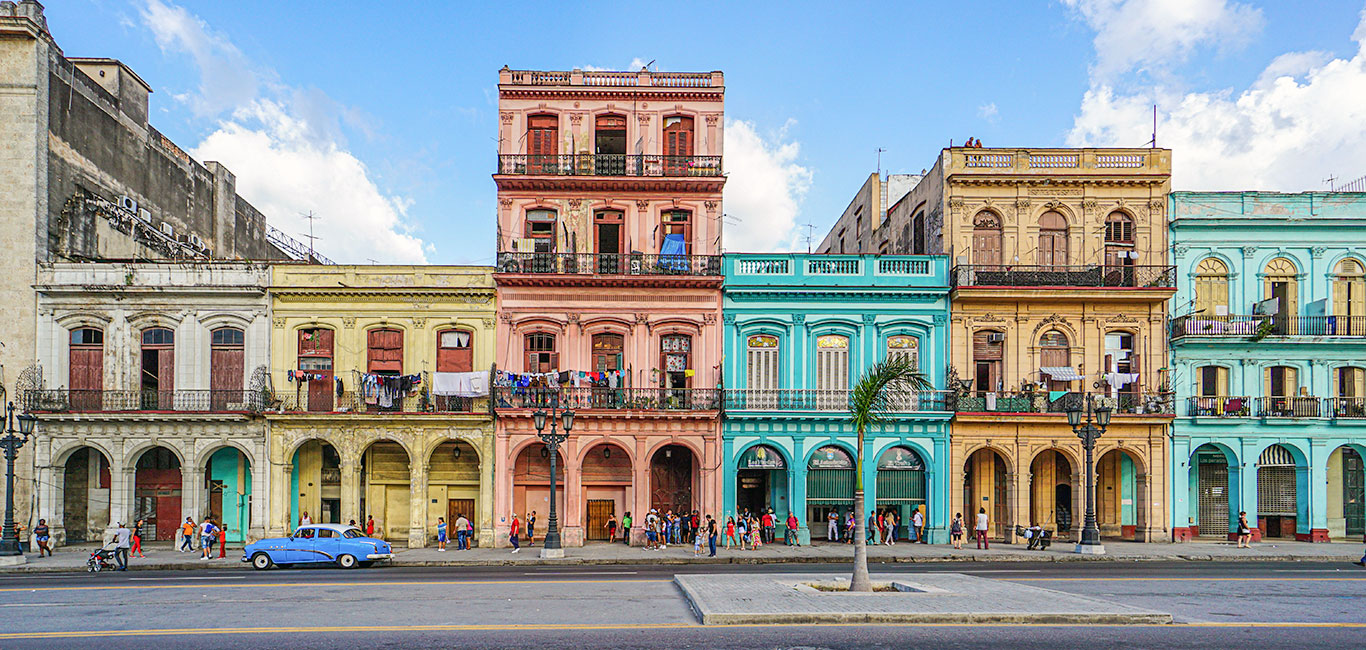
Cuba is one of the most distinctive destinations in the Caribbean, known for its historical cities, tropical landscapes, and rich cultural traditions. Located between the Gulf of Mexico and the Caribbean Sea, the island combines colonial architecture, music, and coastal tourism within a unique social and historical context. Tourism has become one of the most important sectors of the Cuban economy, attracting visitors interested in both relaxation and cultural exploration.
Historic Cities and Architectural Heritage
One of the main centers of tourism in Cuba is Havana, the country’s capital and largest city. Its historic district, Old Havana, is recognized as a UNESCO World Heritage Site. The area is known for its colonial squares, colorful buildings, and restored architecture dating from the Spanish colonial period. Narrow streets connect plazas, churches, and historic fortifications that once protected the city from maritime attacks.
Beyond Havana, other cities also play an important role in cultural tourism. Trinidad is one of the best-preserved colonial towns in the Caribbean. Cobblestone streets, pastel-colored houses, and historic churches create an atmosphere that reflects the island’s 18th- and 19th-century history. Visitors often explore local museums, music venues, and nearby natural parks.
Beaches and Coastal Tourism
Cuba’s coastline extends for thousands of kilometers and includes many sandy beaches and coral reefs. One of the most famous seaside destinations is Varadero, located on a long peninsula east of Havana. Varadero has developed into a major resort zone with hotels, beach facilities, and water sports activities.
Other coastal regions offer quieter environments and natural scenery. The Cayo Coco and Cayo Largo are smaller islands connected to the mainland by causeways. These areas are known for white sand beaches, clear water, and marine life, attracting visitors interested in snorkeling, diving, and nature tourism.
Natural Landscapes and Ecotourism
Although beaches are central to Cuba’s tourism image, the island also contains diverse natural landscapes. The Viñales Valley, located in western Cuba, is famous for its limestone hills known as mogotes and its traditional tobacco farms. Recognized as a UNESCO World Heritage Site, the valley offers hiking trails, caves, and opportunities to observe rural life.
National parks and protected areas across the island preserve forests, wetlands, and coastal ecosystems. These areas support birdwatching, hiking, and ecological tours, expanding tourism beyond coastal resorts.
Culture, Music, and Everyday Life
Cuban culture is one of the island’s strongest attractions. Music and dance are integral parts of daily life, with styles such as Salsa and Son Cubano played in clubs, cultural centers, and public spaces. Visitors often experience live performances in restaurants, music halls, and small local venues.
Classic American cars from the mid-20th century have also become an iconic element of Cuban streets. Many of these vehicles continue to operate in Havana and are frequently used for sightseeing tours, contributing to the city’s distinctive visual character.
Cuban Cuisine and Local Hospitality
Food tourism is an important part of travel in Cuba. Traditional dishes often include rice, beans, pork, seafood, and tropical fruits. Visitors frequently dine in paladares, privately operated restaurants that offer local specialties and a more personal dining atmosphere.
Accommodation ranges from hotels and resorts to casas particulares, privately owned guesthouses where visitors can stay with local families. This form of lodging provides insight into everyday Cuban life and culture.
Practical Information
Best time to visit: November to April, during the dry season
Climate: Tropical, with warm temperatures throughout the year
Currency: Cuban Peso (CUP)
Transportation: Domestic flights, buses, taxis, and rental cars
Tourism in Cuba combines historical depth, cultural vitality, and Caribbean landscapes. From colonial cities and music traditions to beaches and rural valleys, the island offers visitors a wide range of experiences. Its distinctive atmosphere, shaped by history and culture, continues to make Cuba one of the most recognizable destinations in the Caribbean.