

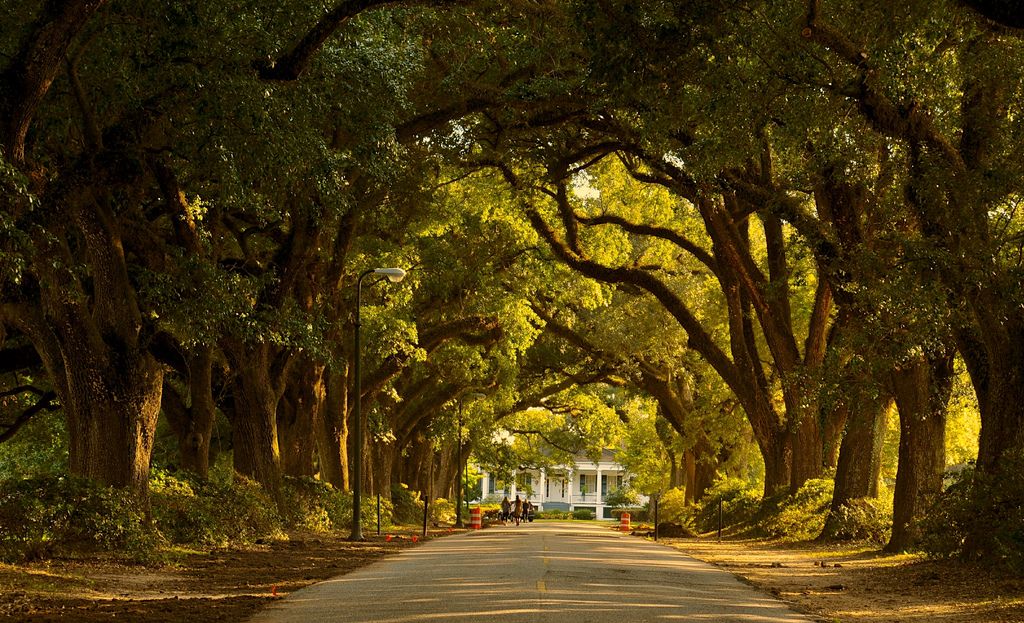
Alabama, located in the southeastern United States, offers a diverse tourism landscape shaped by its historical significance, natural environments, and cultural traditions. While often less prominent than other U.S. destinations, the state provides a range of travel experiences, including civil rights heritage, coastal tourism, and outdoor recreation.
Historical Significance and Heritage Sites
Alabama played a central role in the Civil Rights Movement, making historical tourism a key component of travel in the state. Cities such as Montgomery and Birmingham contain important landmarks related to this period. Museums, memorials, and preserved sites provide insight into the struggle for racial equality in the United States.
The Edmund Pettus Bridge in Selma is one of the most recognized locations associated with the movement. It was the site of a major event in 1965 that contributed to national awareness and legislative change.
Coastal Tourism and the Gulf of Mexico
Alabama’s coastline, though relatively short, is an important tourism area. The city of Gulf Shores and nearby Orange Beach attract visitors with sandy beaches and access to the Gulf of Mexico. Coastal tourism includes swimming, fishing, boating, and wildlife observation.
The Gulf State Park offers trails, campgrounds, and preserved natural areas. The combination of beach access and protected environments supports both recreational and eco-tourism activities.
Natural Landscapes and Outdoor Activities
Beyond the coast, Alabama features forests, rivers, and mountain areas that contribute to outdoor tourism. The northern part of the state includes the southern edge of the Appalachian Mountains, providing opportunities for hiking and scenic travel.
One of the notable natural attractions is Little River Canyon National Preserve, known for its deep canyon, waterfalls, and river system. The preserve attracts visitors interested in photography, hiking, and nature observation.
Alabama’s river systems, including the Tennessee and Alabama rivers, support fishing, kayaking, and boating. These waterways have historically played a role in the state’s economic and cultural development.
Cultural Tourism and Local Traditions
Cultural tourism in Alabama reflects Southern traditions, including music, cuisine, and community events. The state has contributed to the development of various musical styles, and local festivals often feature live performances and regional art.
Cuisine is an important aspect of the visitor experience. Southern food traditions, including barbecue, seafood, and regional specialties, are widely available in both urban and rural areas. Local markets and family-owned restaurants provide access to traditional cooking methods and ingredients.
Urban Centers and Modern Development
In addition to its historical sites, Alabama’s cities offer contemporary attractions. Birmingham has developed cultural districts, museums, and dining areas, while Montgomery combines historical landmarks with modern public spaces.
Smaller towns and rural communities also contribute to tourism by offering heritage trails, local crafts, and agricultural tourism experiences.
Practical Information
- Best time to visit: March to May and September to November
- Climate: Humid subtropical, with hot summers and mild winters
- Transportation: Highways and regional airports
- Accommodation: Hotels, motels, campgrounds, and vacation rentals
Tourism in Alabama is defined by its combination of historical importance, natural environments, and regional culture. From civil rights landmarks and coastal beaches to forests and small towns, the state offers a range of experiences that reflect its place in the broader context of the American South.