

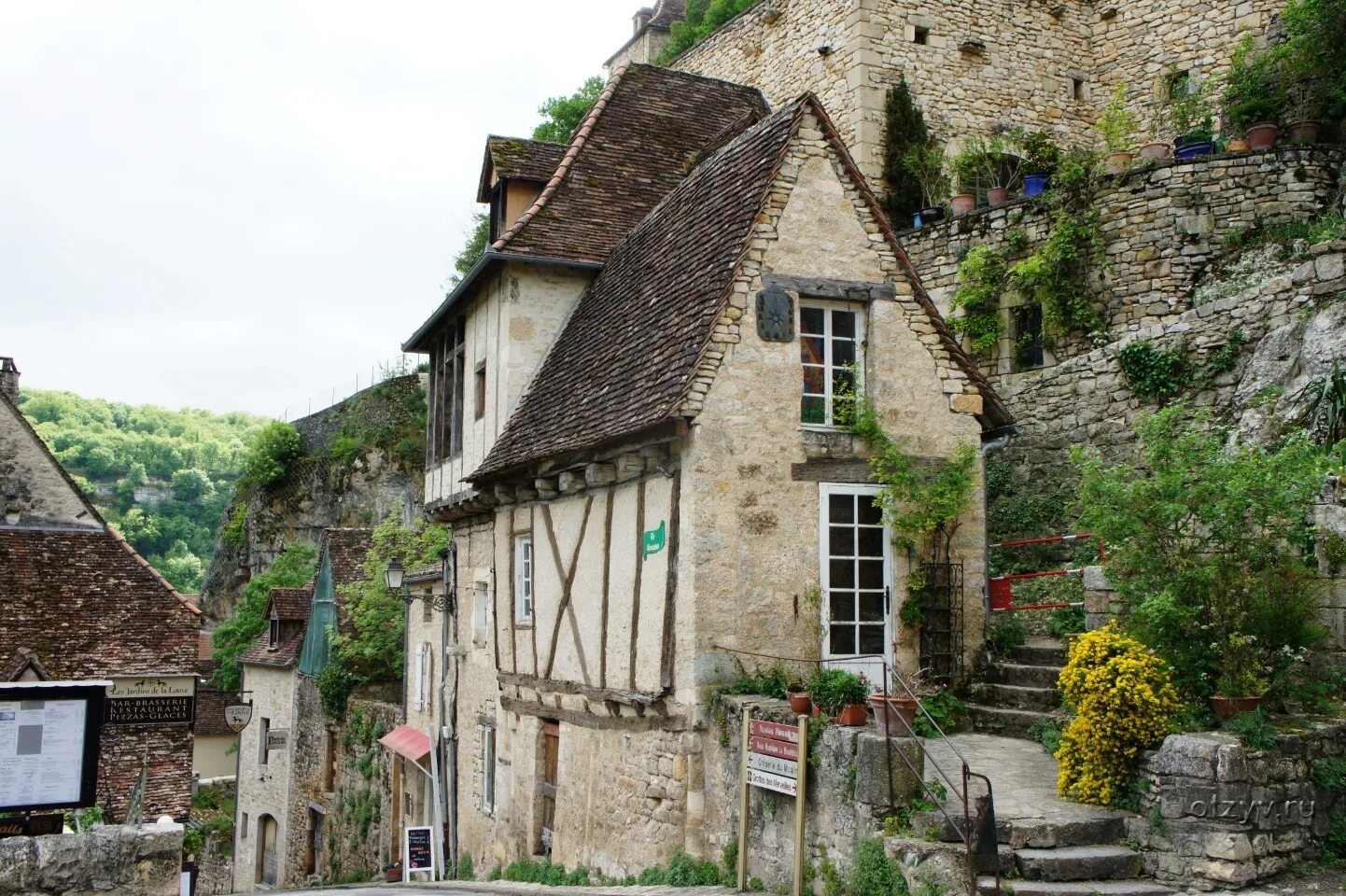
Occitania is one of the largest administrative regions of France, located in the southern part of the country along the Mediterranean Sea and extending toward the Pyrenees Mountains. Formed through the merger of the former regions of Languedoc-Roussillon and Midi-Pyrénées, Occitania combines coastal tourism, mountain landscapes, historical cities, and rural traditions. Tourism in the region reflects both Mediterranean and inland influences, making it one of the most geographically and culturally diverse areas in France.
Historical Cities and Architecture
Occitania contains several cities with significant historical and architectural heritage. The regional capital, Toulouse, is known for its reddish brick architecture and its role as a center of aerospace and higher education. The city’s historic center includes churches, public squares, and riverside promenades that attract visitors throughout the year.
Another important destination is Carcassonne, famous for its medieval fortified city. The Cité de Carcassonne is recognized as a UNESCO World Heritage Site and represents one of the best-preserved medieval fortifications in Europe. Its towers, walls, and narrow streets make it one of the region’s most visited historical attractions.
Cities such as Montpellier, Albi, and Nîmes also contribute to cultural tourism. Roman monuments, cathedrals, and museums illustrate the region’s long historical development from antiquity through the medieval and modern periods.
Mediterranean Coast and Seaside Tourism
The Mediterranean coastline of Occitania is an important tourism zone, particularly during the summer months. Coastal towns and resorts provide access to sandy beaches, marinas, and recreational activities. Areas around the Gulf of Lion attract domestic and international travelers interested in swimming, sailing, and seaside tourism.
The coast also includes lagoons and wetlands that support ecological tourism. Protected natural areas are important habitats for migratory birds and marine ecosystems, combining environmental conservation with tourism development.
Mountains and Outdoor Activities
The southern part of Occitania is bordered by the Pyrenees, which support year-round tourism. During winter, ski resorts attract visitors for snow sports, while warmer months are associated with hiking, cycling, and mountain tourism.
National and regional parks preserve alpine landscapes, forests, and river valleys. Rural villages in the mountains maintain traditional architecture and local customs, offering alternatives to coastal tourism.
Rural Tourism and Wine Regions
Much of Occitania is characterized by vineyards, farmland, and small historic towns. Wine tourism is particularly important in regions such as Languedoc, one of the largest wine-producing areas in France. Visitors can tour vineyards, participate in tastings, and learn about regional agricultural traditions.
Rural tourism also includes visits to local markets, historic villages, and traditional guesthouses. Canal tourism along the Canal du Midi, another UNESCO World Heritage Site, is especially popular. Boats, cycling paths, and walking trails follow the canal through vineyards and countryside landscapes.
Cuisine and Regional Identity
Cuisine in Occitania reflects Mediterranean and southwestern French influences. Seafood, olive oil, cheeses, and regional wines are central to local gastronomy. Traditional dishes such as cassoulet are associated with the inland areas around Toulouse and Carcassonne.
The region also preserves elements of the historic Occitan language and cultural traditions. Festivals, music, and local celebrations contribute to the distinct identity of southern France.
Practical Information
- Best time to visit: May to October for general tourism
- Climate: Mediterranean near the coast; cooler mountain climate inland
- Transportation: High-speed rail, regional airports, and highways
- Accommodation: Hotels, rural guesthouses, resorts, and campsites
Tourism in Occitania combines historical heritage, natural landscapes, and regional culture within one of France’s most varied territories. From Mediterranean beaches and medieval fortresses to mountain villages and vineyards, the region offers multiple forms of travel experience. Its combination of accessibility and cultural depth continues to make Occitania an important destination in southern Europe.