

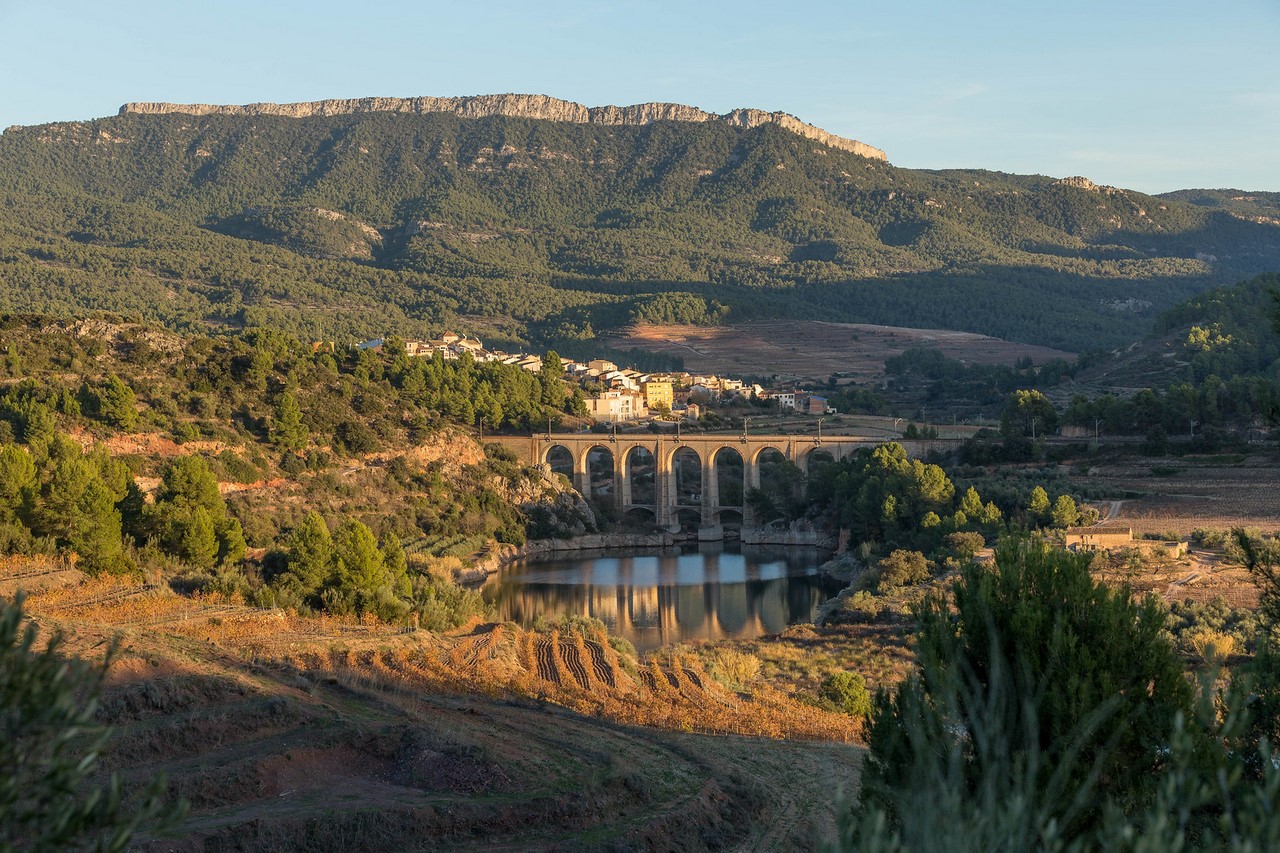
Catalonia is an autonomous community in northeastern Spain, bordered by the Mediterranean Sea, the Pyrenees Mountains, and France. It is one of the country’s most visited regions, attracting millions of travelers each year with its diverse landscapes, rich history, distinctive culture, and well-developed tourism infrastructure. From cosmopolitan cities and coastal resorts to medieval villages and mountain parks, Catalonia offers a wide variety of travel experiences throughout the year.
Barcelona and Urban Tourism
The region’s capital, Barcelona, is one of Europe’s leading tourist destinations. Situated on the Mediterranean coast, Barcelona combines historic architecture with modern urban life. Visitors explore neighborhoods such as the Gothic Quarter, walk along the famous La Rambla, and enjoy the city’s beaches and waterfront.
Among Barcelona’s best-known landmarks is Sagrada Família, the monumental basilica designed by architect Antoni Gaudí. Other works by Gaudí, including Park Güell and Casa Batlló, illustrate the unique architectural style that has become closely associated with the city.
Barcelona is also an important center for museums, performing arts, gastronomy, and international events, making it attractive for both leisure and business tourism.
Mediterranean Coast and Beach Resorts
Catalonia’s coastline stretches for more than 500 kilometers and is divided into several well-known coastal regions. Costa Brava, extending north from Barcelona toward the French border, is characterized by rocky cliffs, hidden coves, fishing villages, and clear waters. The area supports beach holidays, sailing, scuba diving, and hiking along scenic coastal trails.
South of Barcelona lies Costa Daurada, known for its long sandy beaches and family-oriented resorts. Historic towns, marinas, and seaside promenades make the region popular during the summer season.
Mountains and Nature Tourism
While the Mediterranean coast attracts the largest number of visitors, Catalonia also offers extensive opportunities for mountain tourism. The Pyrenees form the northern boundary of the region and provide hiking, skiing, cycling, and wildlife observation throughout the year.
Protected natural areas such as Aigüestortes i Estany de Sant Maurici National Park preserve alpine lakes, forests, and mountain ecosystems. Visitors can explore marked trails, observe native wildlife, and experience traditional mountain villages.
Another popular destination is Montserrat, famous for its unusual rock formations and Benedictine monastery. The site combines religious significance with spectacular natural scenery and panoramic views.
Historic Towns and Cultural Heritage
Beyond Barcelona, Catalonia is home to numerous historic towns. Girona features medieval streets, Roman walls, and a well-preserved old town, while Tarragona preserves important Roman monuments, including an amphitheater overlooking the Mediterranean.
The region’s cultural identity is shaped by its own language, traditions, and festivals. Local celebrations, traditional dances, and seasonal events remain an important part of community life and attract visitors interested in authentic cultural experiences.
Gastronomy and Wine Tourism
Catalonia has gained international recognition for its cuisine. Traditional dishes emphasize fresh seafood, vegetables, olive oil, and locally produced meats. Regional markets provide opportunities to sample cheeses, cured meats, pastries, and seasonal produce.
Wine tourism has also become increasingly important. Vineyards throughout the region produce a variety of wines, including the sparkling wine known as Cava. Many wineries offer guided tours, tastings, and educational experiences focused on local winemaking traditions.
Practical Information
- Best time to visit: April to October for general tourism; December to March for winter sports
- Climate: Mediterranean along the coast and alpine in the Pyrenees
- Transportation: High-speed rail, international airports, highways, and regional public transport
- Accommodation: Hotels, apartments, rural guesthouses, mountain lodges, and seaside resorts
Tourism in Catalonia reflects the region’s exceptional diversity. Visitors can explore world-famous architecture in Barcelona, relax on Mediterranean beaches, hike through mountain landscapes, or discover centuries of history in medieval towns. Combined with a strong cultural identity, outstanding cuisine, and modern infrastructure, Catalonia remains one of Europe’s most varied and rewarding travel destinations.